CALL US
806.590.0010
CALL US
806.590.0010

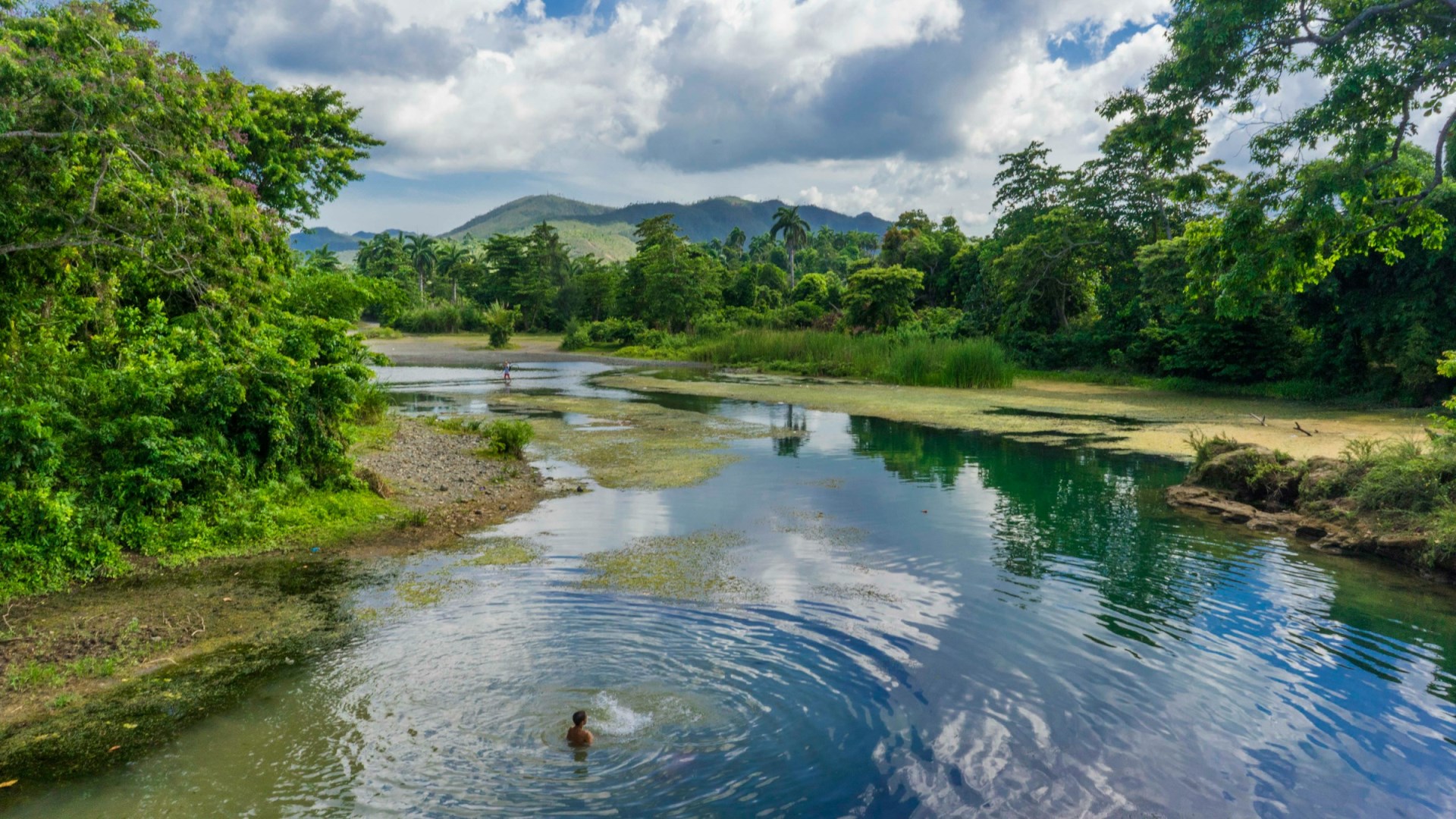
Baracoa is a historic coastal city in eastern Cuba, set between the Caribbean Sea and the forested mountains of the Cuchillas del Toa region. Often described as Cuba’s first Spanish-founded villa, it occupies a sheltered bay beneath the distinctive flat-topped El Yunque mountain, which has become a symbol of the city. Rivers, tropical forests, beaches, and steep hills surround the compact urban area, giving Baracoa a landscape that differs from much of the island. Its relative isolation has also helped preserve a strong local identity, with agriculture, fishing, and traditional crafts remaining part of everyday life.
Baracoa has deep Indigenous and colonial connections. The Taíno presence is represented through archaeological sites and cultural displays, while the historic center contains colonial buildings and former defensive structures. The Cathedral of Our Lady of the Assumption houses the Cruz de la Parra, a wooden cross traditionally associated with Christopher Columbus and recognized as a National Monument and Cuban national treasure. The Matachín Fortress now contains a museum with archaeological and historical collections. Local musical traditions include nengón and kiribá, forms associated with the eastern Cuban roots of son and closely connected with rural communities around Baracoa.
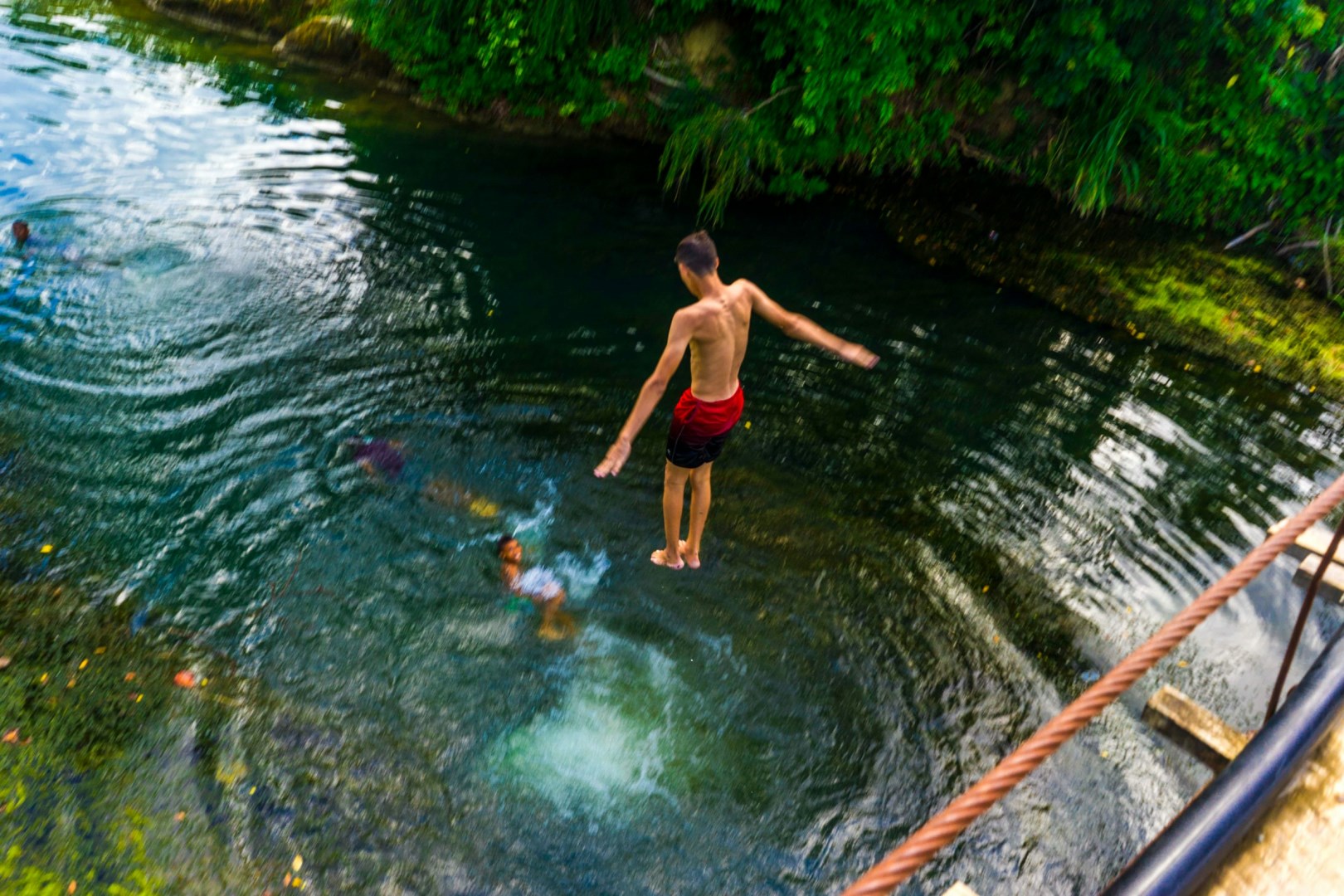
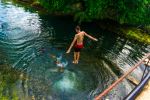
El Yunque is the most recognizable natural landmark near Baracoa, rising above the surrounding forests with its broad, flat summit. Trails around the mountain follow the Duaba River and pass through humid forest, plantations, and natural swimming areas. Farther north, Alejandro de Humboldt National Park protects one of the Caribbean’s most biologically diverse tropical ecosystems, with exceptional levels of endemic plants and animals. The Toa River, Cuba’s largest river, also flows through the surrounding region, while nearby beaches such as Maguana and Miel provide access to the Caribbean coast. The area is well suited to hiking, river excursions, birdwatching, and nature-focused exploration.
Cacao and coconut are central to Baracoa’s agricultural identity and local cuisine. The region is known for chocolate made from locally grown cacao, while coconut appears in sauces, sweets, and traditional dishes. One distinctive specialty is cucurucho, a sweet preparation of coconut combined with ingredients such as fruit and sugar and traditionally wrapped in palm leaves. Bacán, made from green bananas and cooked in banana leaves, is another local dish. Baracoa’s combination of cacao farms, rivers, tropical forests, seafood, and distinctive eastern Cuban traditions gives its food culture a strong connection to the surrounding landscape.